
Fire Damage Restoration
Servicing Northern Idaho and Spokane Area
24/7 Emergency Service
Why choose us?
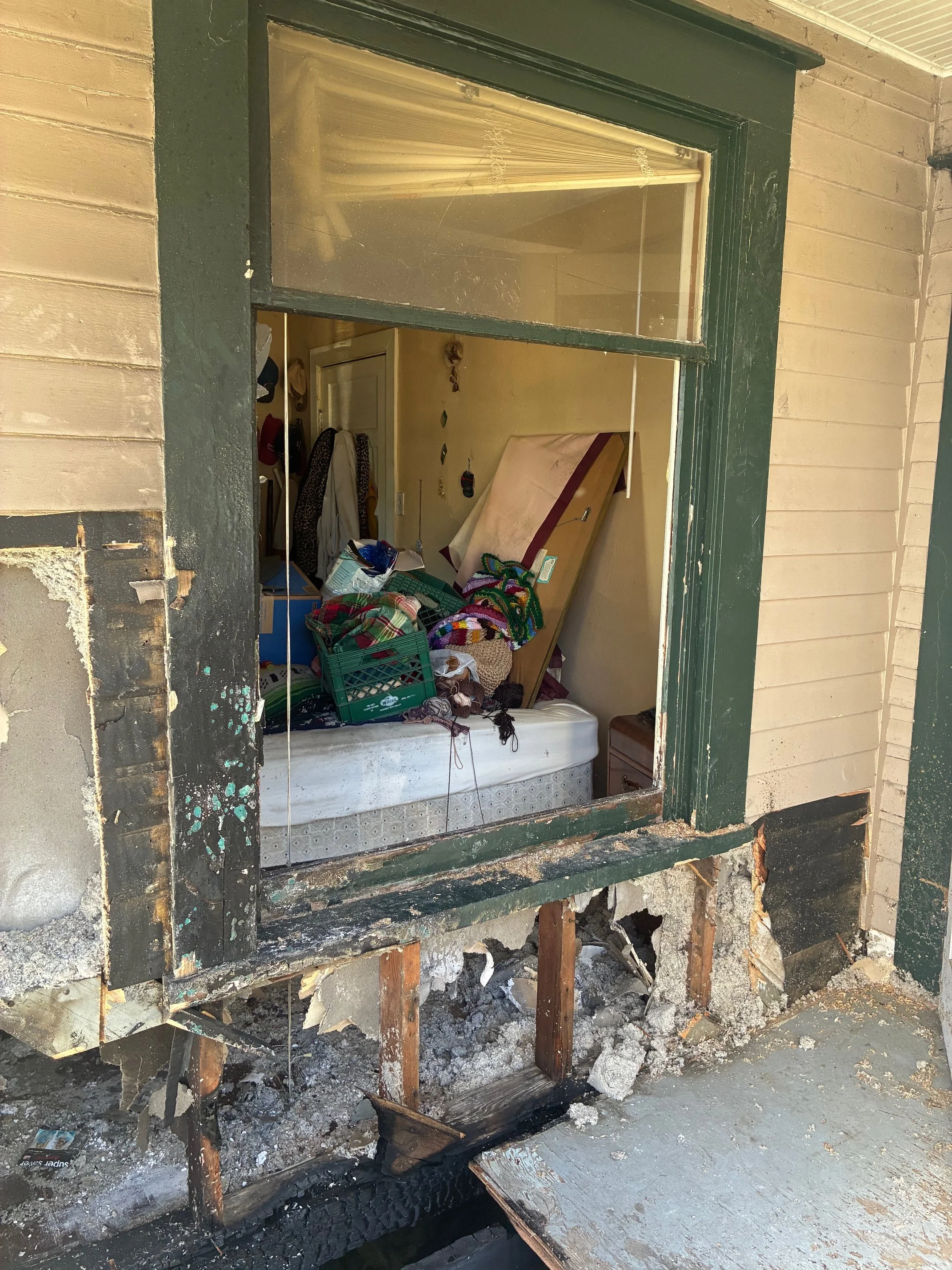
Fire damage restoration requires specialized training, proper safety controls, and a thorough understanding of how fire, smoke, and soot impact a structure. Abide Restorations provides professional fire restoration services performed by IICRC-certified technicians who follow the principles outlined in the ANSI/IICRC S700 Standard for Professional Fire and Smoke Damage Restoration—the recognized industry framework for restoring fire-damaged properties.
Our team takes a systematic approach to fire restoration, addressing both visible damage and hidden residues that can affect structural materials, contents, and indoor air quality. We use proper containment, HEPA filtration, and targeted cleaning methods to manage soot, smoke residues, and odors while helping prevent secondary damage and cross-contamination. Each project begins with a detailed assessment to determine the type of fire damage and the most effective restoration strategy.
Serving Northern Idaho and the Spokane area, including Coeur d’Alene, Hayden, Post Falls, Sandpoint, Spokane, and Spokane Valley, Abide Restorations is committed to clear communication, detailed documentation, and high-quality workmanship. From emergency stabilization and cleanup to odor management and reconstruction coordination, we work diligently to help restore your property safely, efficiently, and with confidence.

Frequently Asked Questions
What should I do first after a fire?
Your safety comes first. Once authorities confirm it is safe to enter, avoid disturbing fire-damaged areas and contact a professional fire restoration company as soon as possible. Prompt inspection and stabilization help reduce secondary damage from smoke, soot, and water used to extinguish the fire.
How does fire damage affect areas that weren’t burned?
Smoke and soot can travel throughout a structure, settling on walls, ceilings, HVAC systems, and contents—even in rooms untouched by flames. These residues can cause staining, corrosion, and persistent odors if not properly addressed.
Why is drying important after a fire?
Water damage is common after firefighting efforts. Moisture must be controlled early to prevent further deterioration, corrosion, and potential microbial growth. Proper drying helps stabilize materials before cleaning and restoration can be completed effectively.
Can smoke odor be removed completely?
Smoke odors can often be significantly reduced or eliminated through proper cleaning and targeted deodorization methods. Successful odor removal depends on identifying and addressing odor sources rather than masking them.
What items can be saved after a fire?
Many structural materials and personal belongings can be restored depending on the extent of damage and the type of fire residue present. During the restoration process, salvageable items are identified and cleaned, while items that cannot be restored are documented.
How long does fire damage restoration take?
The timeline varies based on the severity of the fire, the size of the property, and the extent of smoke and water damage. Some projects may take a few days, while larger losses may require additional time and reconstruction.
Will you work with my insurance company?
Yes. We work alongside homeowners and insurance providers, supplying documentation, photos, and reports to help support the restoration process and keep the project moving efficiently.
Effects of Fire Damage
Fire damage extends far beyond what is immediately visible. In addition to burned materials, fire produces smoke, soot, and heat that can impact nearly every surface in a home or business. According to accepted industry restoration principles, smoke and soot residues can travel throughout a structure, settling on walls, ceilings, HVAC systems, and contents—even in areas untouched by flames. These residues can cause staining, corrosion, and persistent odors if not properly addressed.
Fire damage can also compromise the structural integrity of building materials. Heat exposure may weaken framing, drywall, electrical components, and roofing systems, while water used to extinguish the fire can introduce additional moisture-related damage. Combined fire and water damage increases the risk of material deterioration, corrosion, and secondary issues if not mitigated promptly.
Beyond structural concerns, fire and smoke damage can significantly affect indoor air quality. Soot particles, charred residues, and odor-causing compounds may remain airborne or embedded in materials, creating lingering odors and discomfort for occupants. Professional fire restoration focuses on removing these residues, stabilizing the environment, and restoring the property to a safe, clean, and functional condition.
Our Process
Inspection & Damage Assessment
We begin with a comprehensive inspection to evaluate fire, smoke, soot, heat, and water damage. This assessment identifies affected materials, residue types, moisture conditions, and any safety concerns to determine the most effective restoration approach.Moisture Control & Structural Drying
If water damage is present from firefighting efforts, excess moisture is addressed immediately. Professional drying and dehumidification are used to stabilize materials and create conditions suitable for proper cleaning and restoration.Safety, Stabilization & Site Control
The property is secured and stabilized to address structural integrity concerns, electrical hazards, and unsafe conditions. Controlled access and safety measures are implemented to protect occupants and technicians.Containment & Air Quality Control
Appropriate containment and engineering controls are established to limit cross-contamination. HEPA-filtered air scrubbers and negative air pressure may be used to manage airborne soot, ash, and particulate during restoration activities.Soot & Smoke Residue Removal
Fire residues are addressed using cleaning methods matched to the specific residue type and surface involved. Physical removal of soot and smoke contamination is prioritized to help reduce corrosion, staining, and odor absorption.Cleaning of Affected Materials & Contents
Salvageable structural materials and contents are carefully cleaned using proven restoration techniques. Items that cannot be effectively restored are identified and documented.Odor Management & Deodorization
After source removal and cleaning, targeted odor management methods are applied as needed to address lingering smoke and fire-related odors and help improve indoor air quality.Final Inspection & Preparation for Reconstruction
A final review is completed to confirm restoration objectives have been met. The property is then prepared for repair or reconstruction, helping return the space to a safe, functional condition.
-
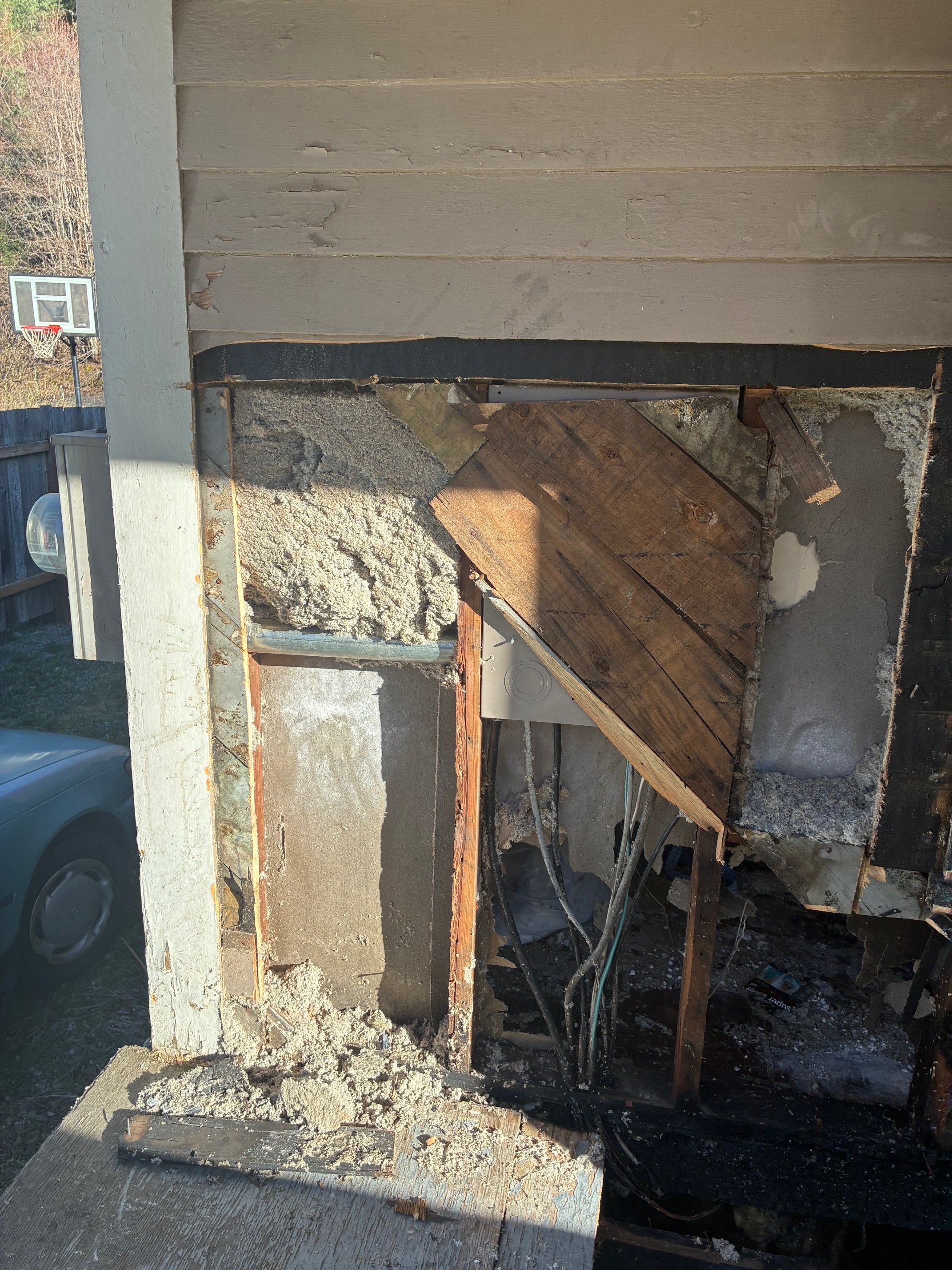
Fire damage resulting from a sudden and accidental fire event.
-
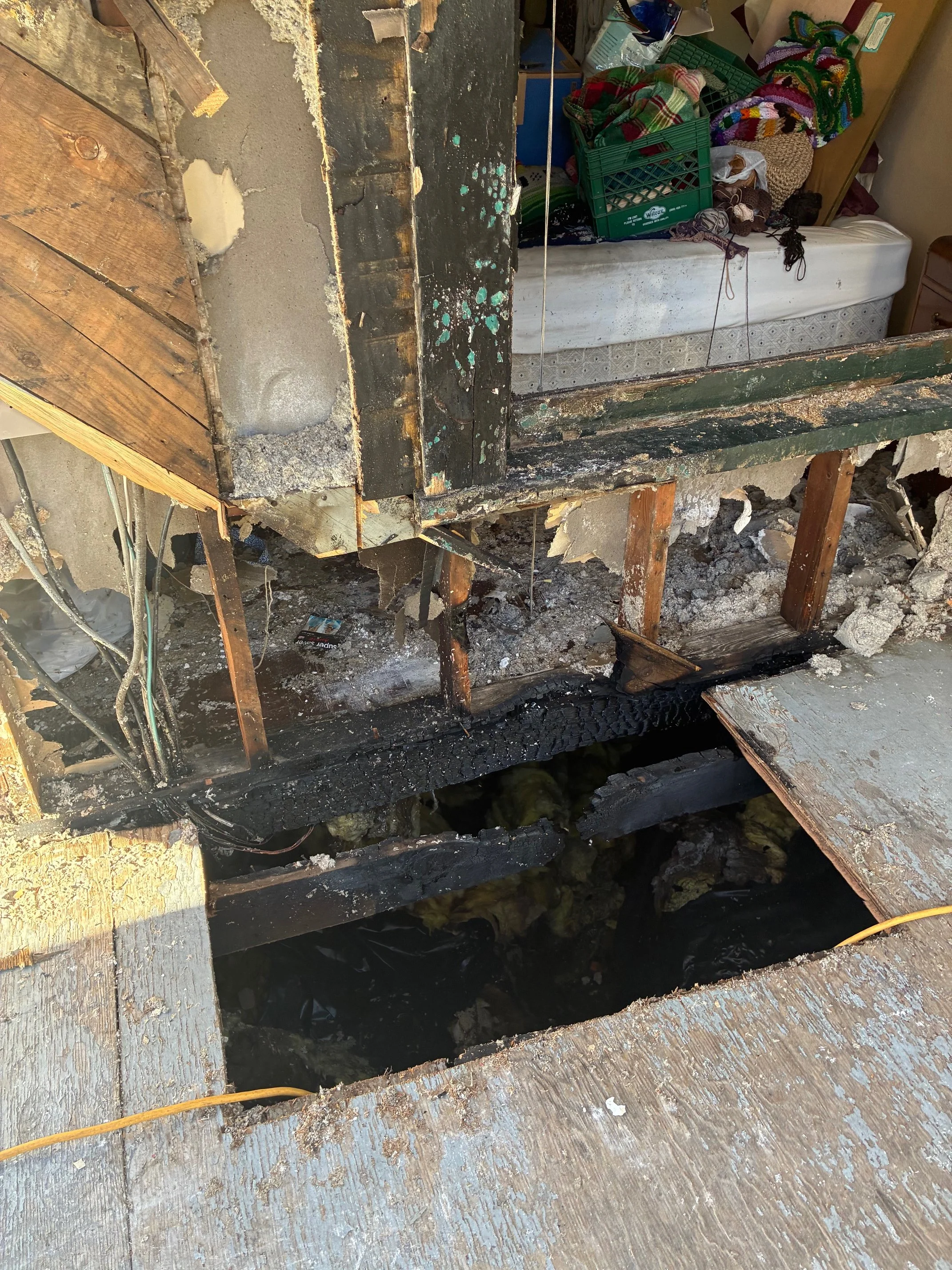
Structural fire damage with smoke and soot contamination.
-
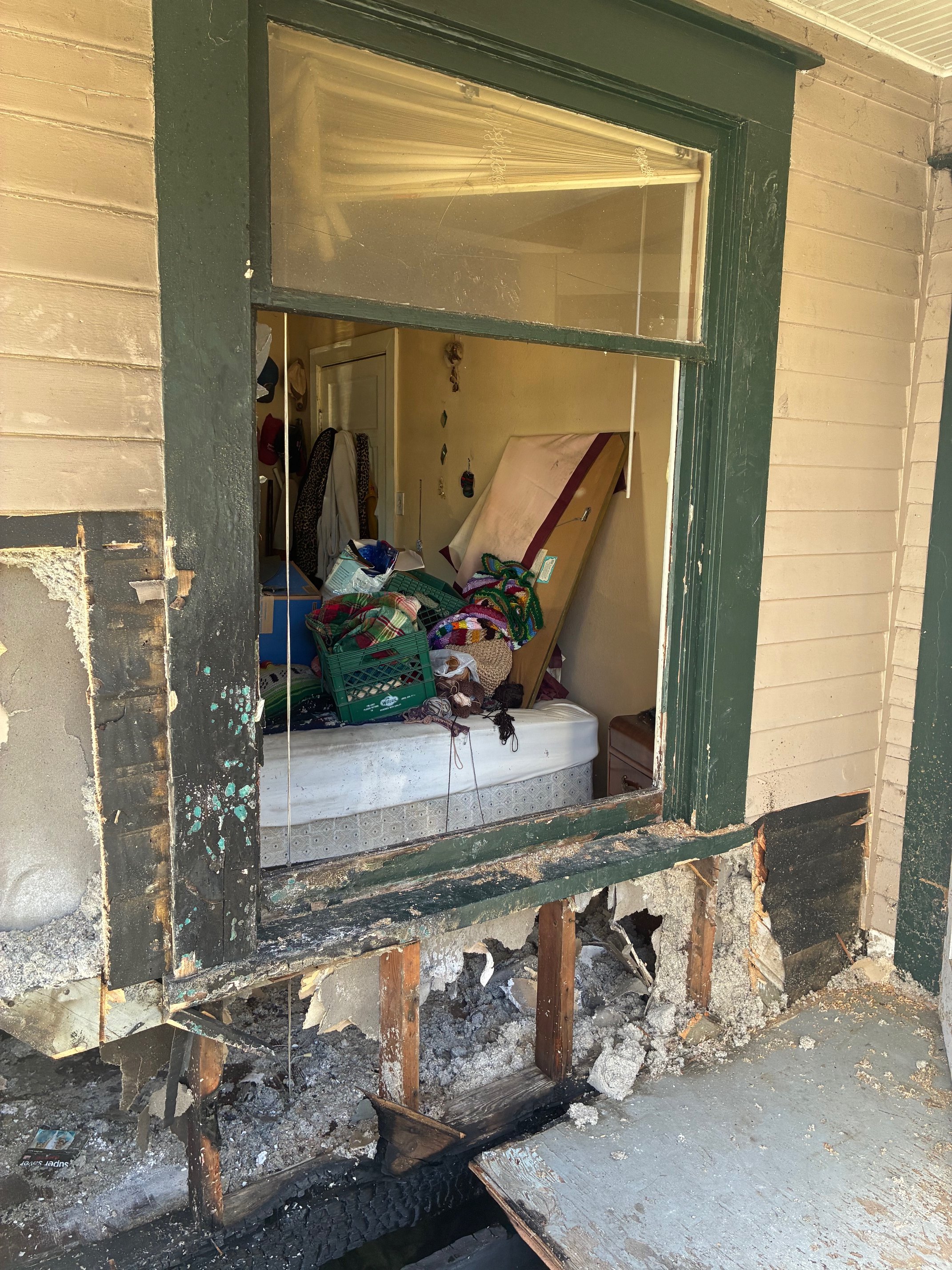
Fire-damaged structure requiring restoration and reconstruction.
-
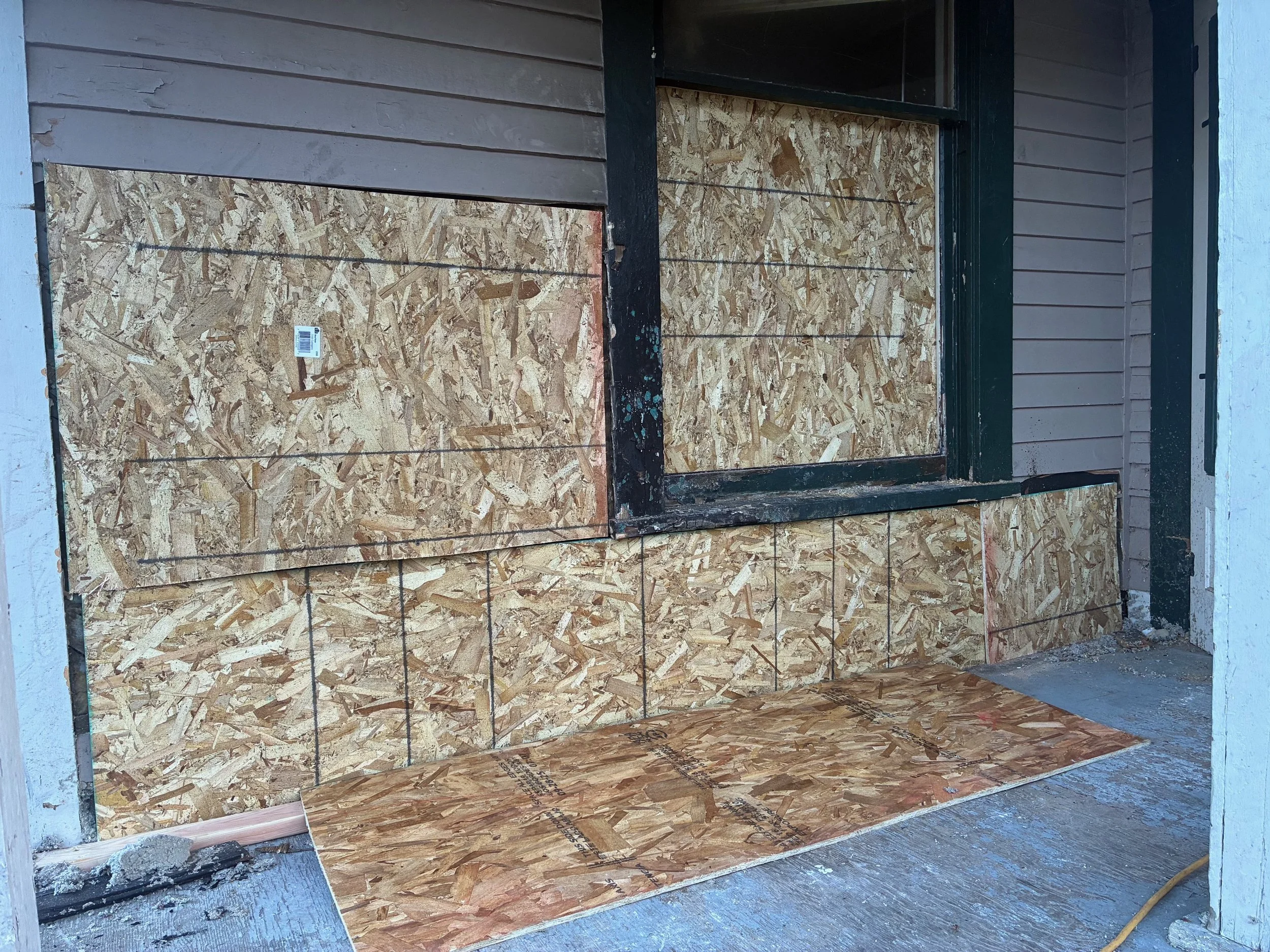
Fire-damaged property secured with emergency board-up services.