
Mold Remediation and Removal
Servicing Northern Idaho and Spokane Area
24/7 Emergency Service
Why choose us?
Mold remediation requires proper training, controlled processes, and strict adherence to industry standards. Abide Restorations provides professional mold remediation services performed by IICRC-certified technicians who follow the ANSI/IICRC S520 Standard for Professional Mold Remediation. Our team uses proven methods designed to protect occupants, limit cross-contamination, and properly address mold-affected materials.
We implement appropriate containment, utilize HEPA-filtered equipment, and follow established remediation procedures based on the extent and condition of mold growth. By addressing both visible and hidden contamination and controlling moisture conditions, we help restore a clean, stable indoor environment for homes and businesses throughout Northern Idaho and the Spokane area, including Coeur d’Alene, Hayden, Post Falls, Sandpoint, Spokane, and Spokane Valley.

Frequently Asked Questions
How do I know if I have a mold problem?
Common signs of a mold problem include visible discoloration on walls, ceilings, or floors, musty or earthy odors, and symptoms such as increased allergies or respiratory irritation when indoors. Mold can also grow in hidden areas like wall cavities, crawlspaces, and under flooring, especially after water damage or ongoing moisture issues.
What is mold and why is it growing in my home?
Mold is a naturally occurring microorganism that thrives in damp environments. It commonly grows indoors when moisture from leaks, flooding, humidity, or poor ventilation is present. When building materials remain wet for extended periods, mold can colonize and spread, particularly in areas with limited airflow.
Is mold dangerous to my health?
Mold exposure can cause irritation, allergic reactions, and respiratory discomfort, especially for individuals with asthma, allergies, or compromised immune systems. While not everyone reacts the same way, addressing mold promptly helps improve indoor air quality and overall comfort.
Can mold come back after remediation?
Mold can return if underlying moisture issues are not properly corrected. Professional remediation focuses on both removing existing mold and controlling moisture conditions to help reduce the risk of future growth.
Do I need professional mold remediation, or can I clean it myself?
Mold remediation often requires professional care, especially when growth is widespread or hidden. Improper cleaning can disturb mold and cause cross-contamination, allowing spores and particles to spread to unaffected areas of the property. Professional restoration companies use proper containment, controlled work practices, and specialized equipment to address mold safely and help prevent further spread.
How long does the mold remediation process take?
The timeline depends on the extent of the mold growth, affected materials, and moisture conditions. Some projects may take a few days, while more extensive contamination may require additional time to ensure proper removal and drying.
Effects of Mold Growth
Mold growth can develop when moisture is present for an extended period and can impact both the structure of a building and the indoor environment. According to the ANSI/IICRC S520 Standard, mold contamination may be visible or hidden within wall cavities, flooring systems, insulation, and other building materials, often spreading beyond the original moisture source. As mold colonizes materials, it can cause staining, deterioration, and breakdown of affected surfaces, sometimes requiring removal of materials that cannot be effectively cleaned.
In addition to structural concerns, mold growth can negatively affect indoor air quality. Mold spores, fragments, and byproducts can become airborne and circulate throughout a property, potentially causing irritation, odors, and discomfort for occupants. Reputable public health organizations, including the EPA, note that prolonged exposure to mold-contaminated environments may worsen respiratory symptoms and sensitivities, particularly for individuals with allergies, asthma, or compromised immune systems. Proper mold remediation and moisture control are essential to reducing these risks and restoring a clean, stable indoor environment.
Our Process
Inspection & Moisture Evaluation
We begin with a detailed inspection to identify mold-affected areas, moisture sources, and environmental conditions. Understanding moisture dynamics is critical to determining the appropriate remediation approach and preventing recurrence.Containment & Safety Controls
Proper containment is established to help prevent cross-contamination of unaffected areas. Engineering controls such as negative air pressure, critical barriers, and HEPA-filtered air management are used to control airborne particulate during remediation activities.Controlled Removal of Affected Materials
Mold-affected materials that cannot be effectively cleaned are removed in a controlled manner. Removal is performed using work practices designed to limit disturbance and migration of mold spores and fragments.Detailed Cleaning & HEPA Vacuuming
Remaining surfaces within the work area are thoroughly cleaned using physical removal methods and HEPA vacuuming to capture settled spores, dust, and residual particulate. Cleaning focuses on returning surfaces to a clean condition before any treatments are applied.Application of Disinfectants & Antimicrobial Treatments
After proper cleaning and removal, approved disinfectants and antimicrobial products may be applied as appropriate to help address residual contamination and support long-term microbial control. These products are used as a supplement to cleaning—not a substitute for removal.Moisture Control & Environmental Stabilization
Moisture conditions are corrected through proper drying, humidity control, and ventilation adjustments to help reduce the potential for future mold growth.Final Inspection & Preparation for Repairs
A final inspection is completed to confirm remediation objectives have been met. Once cleared, the area is prepared for repair or reconstruction, restoring the space to a safe, stable condition.
-
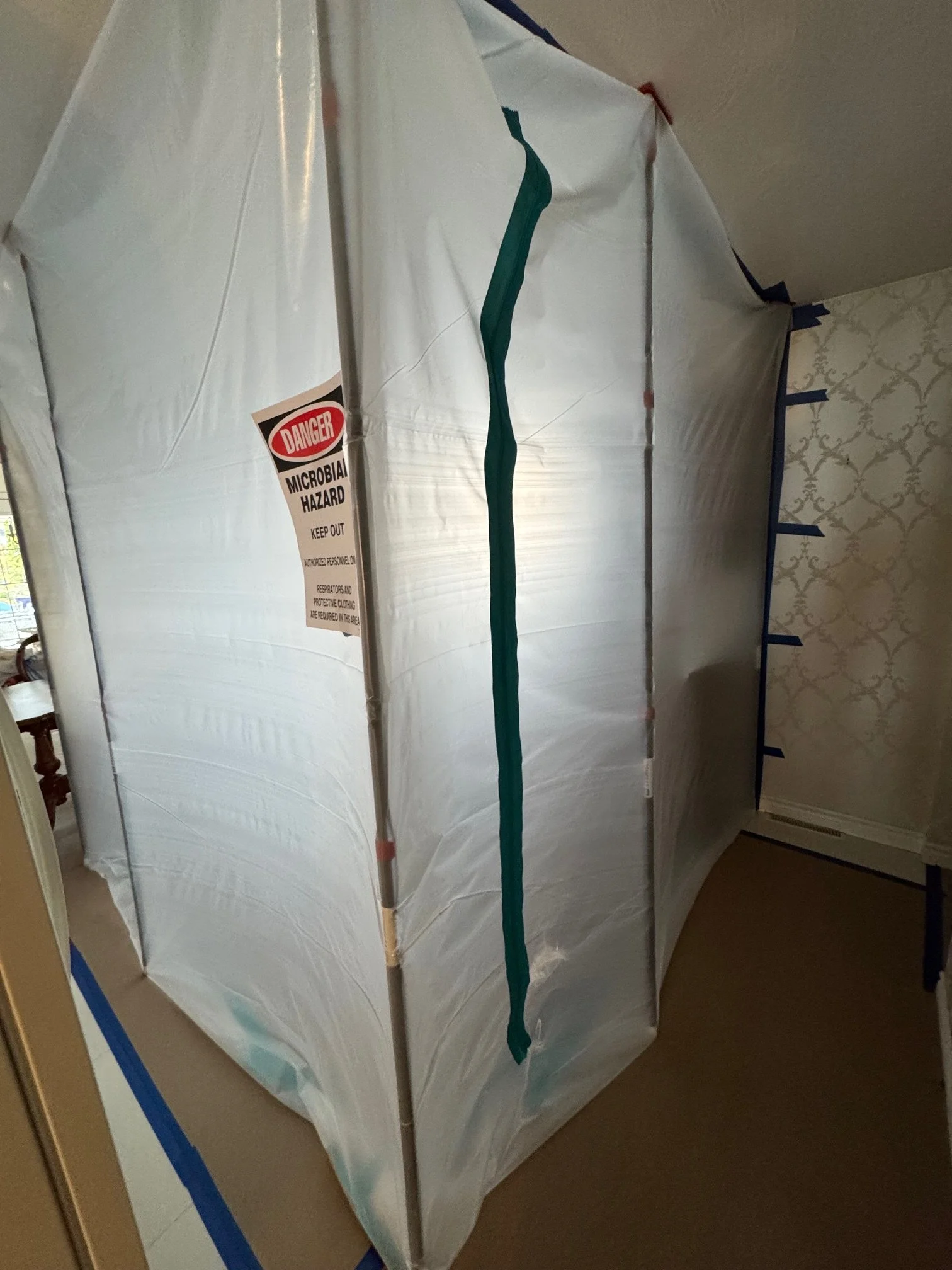
Attic containment installed to isolate mold-affected areas during professional mold remediation.
-
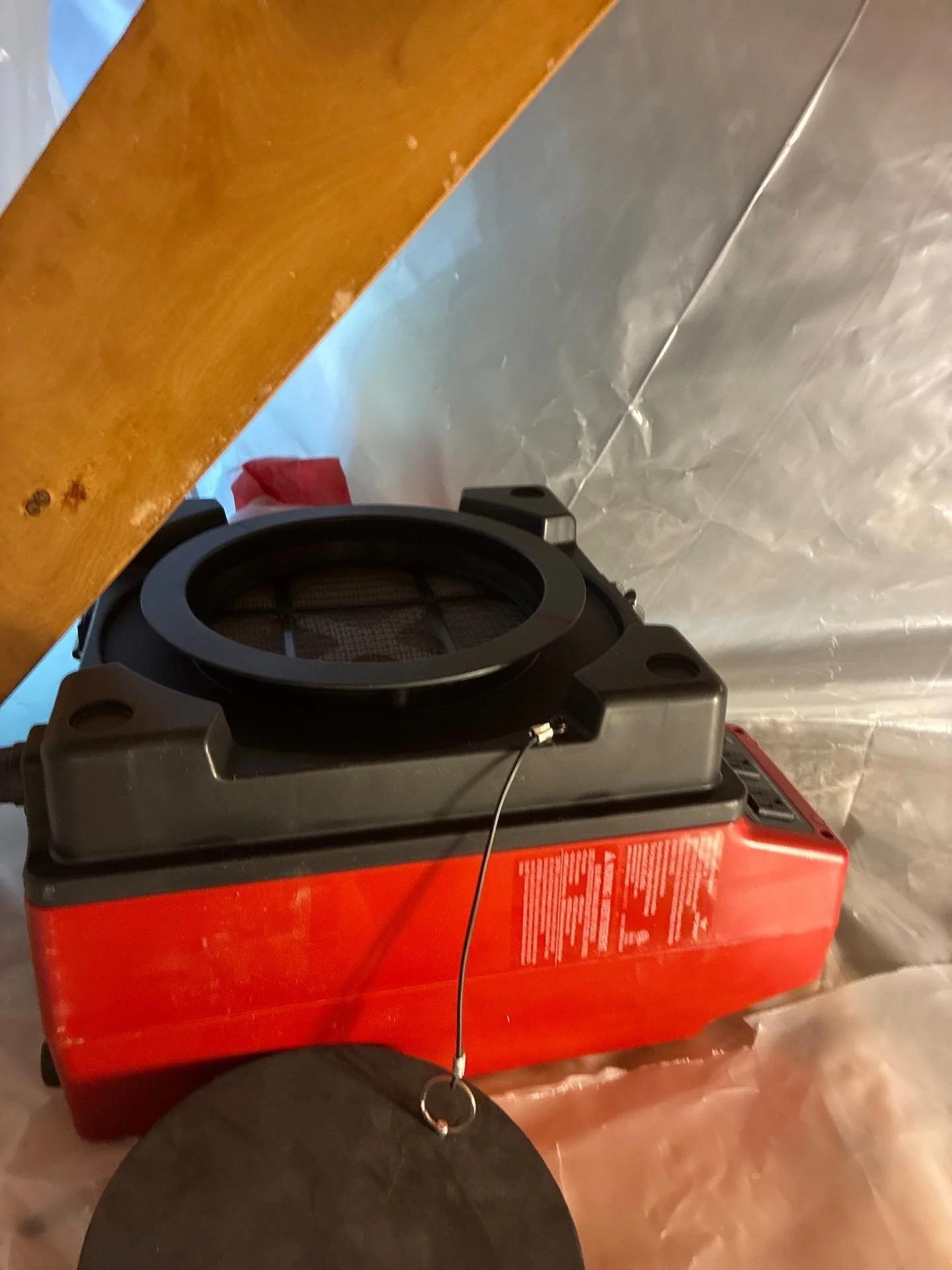
HEPA-filtered negative air machine operating inside containment during mold remediation.
-
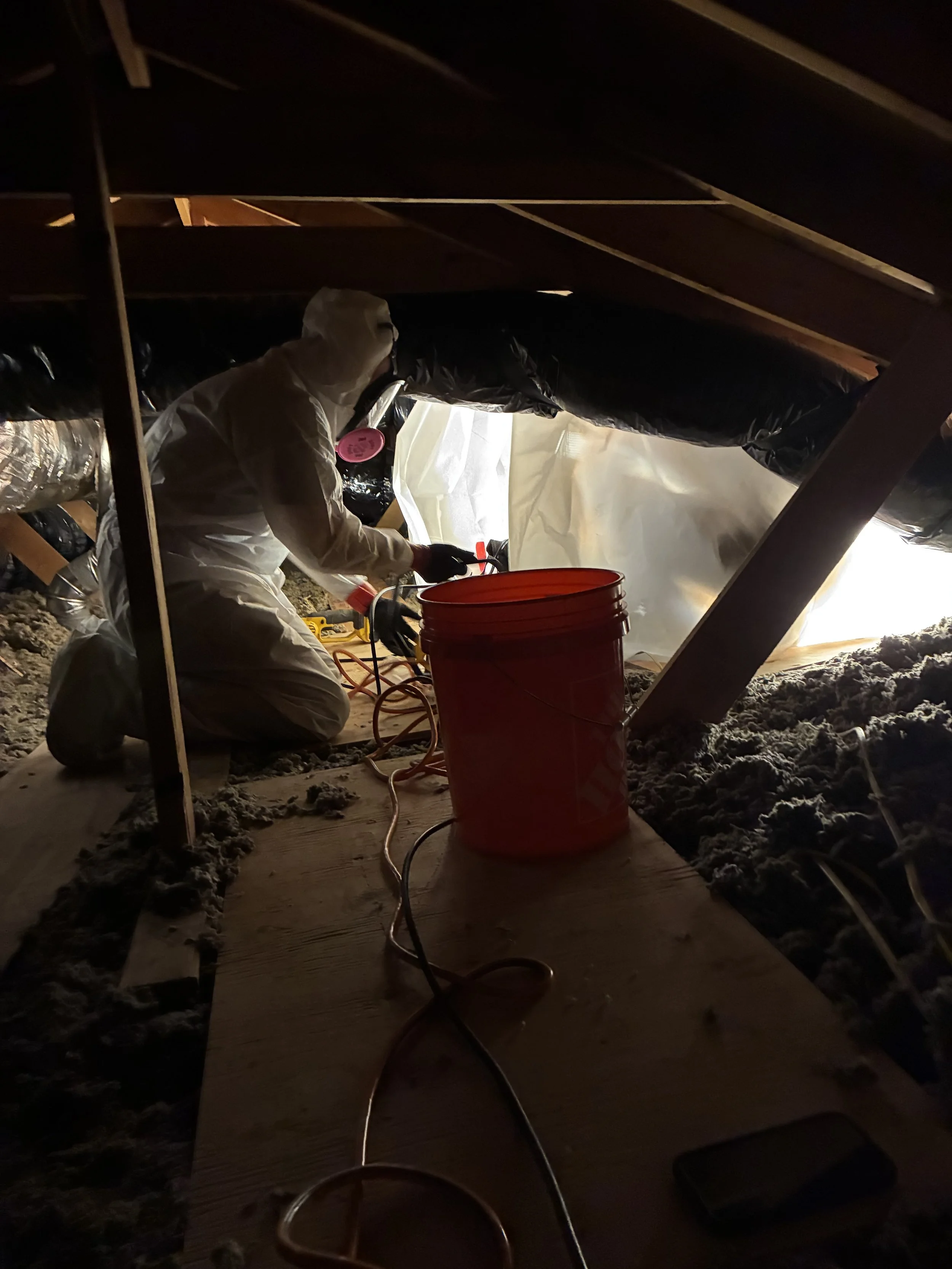
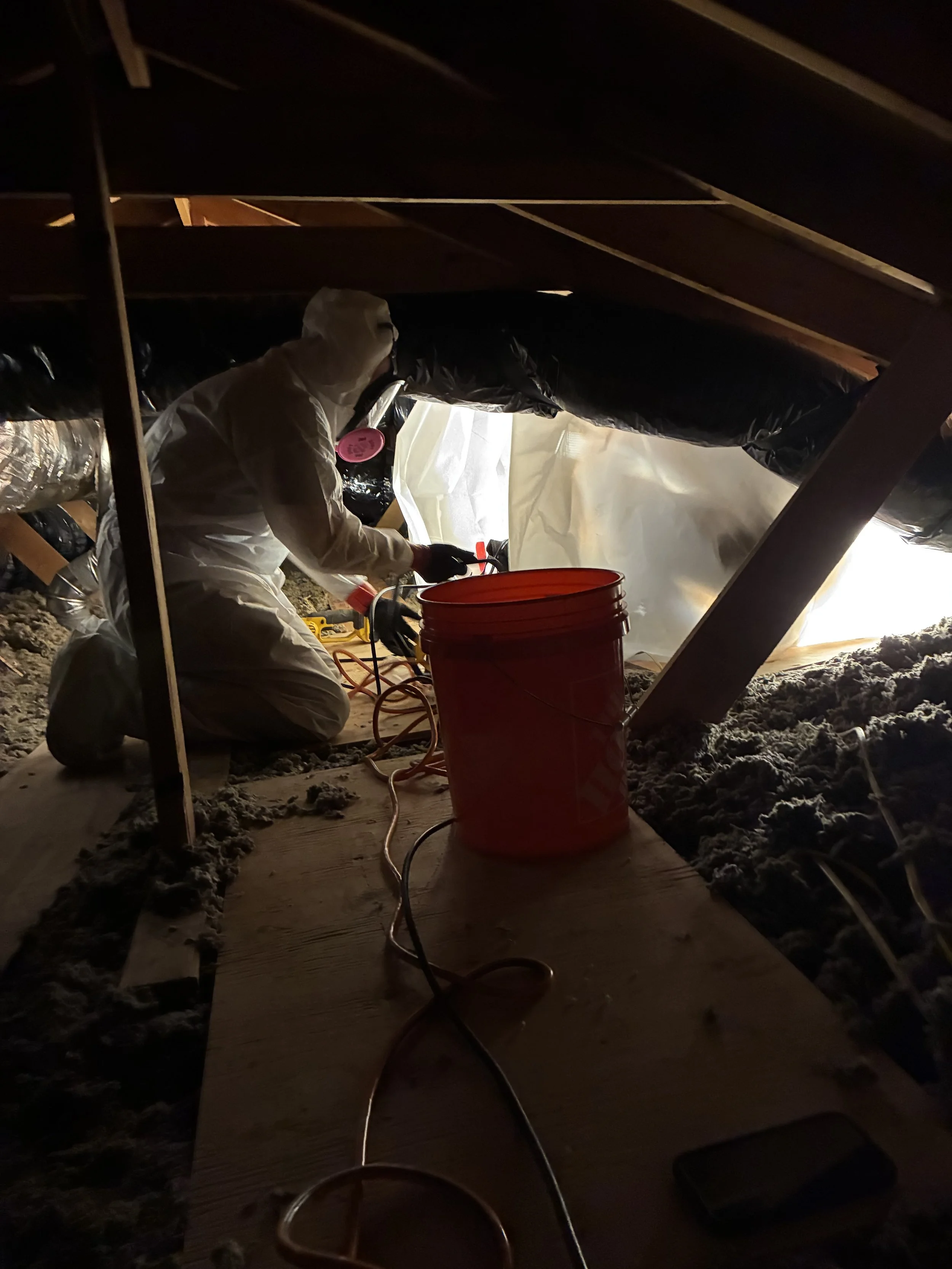
Technician performing mold remediation inside an attic containment using protective equipment.
-
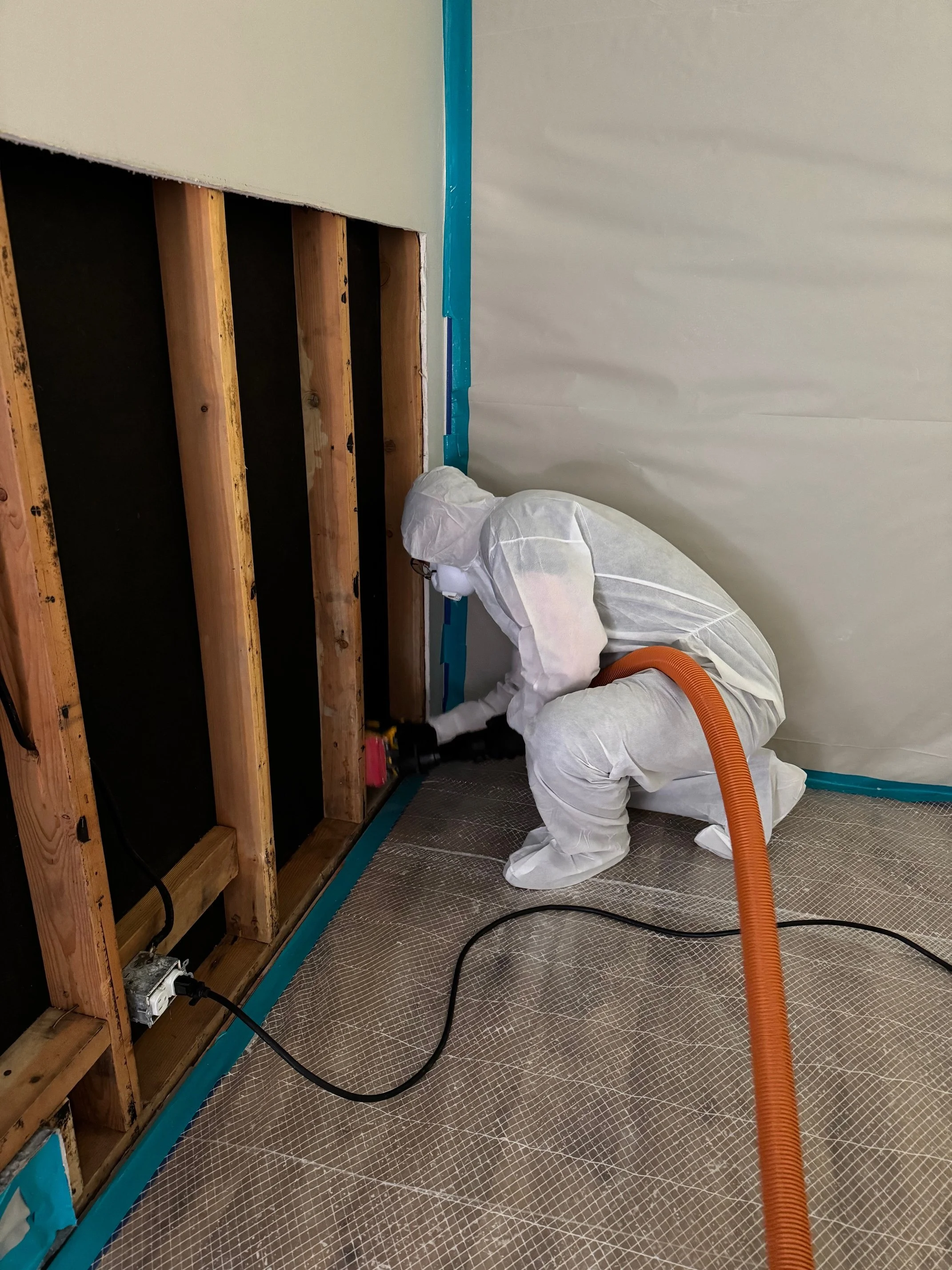
Mold remediation technician sanding affected framing to remove microbial growth.
-
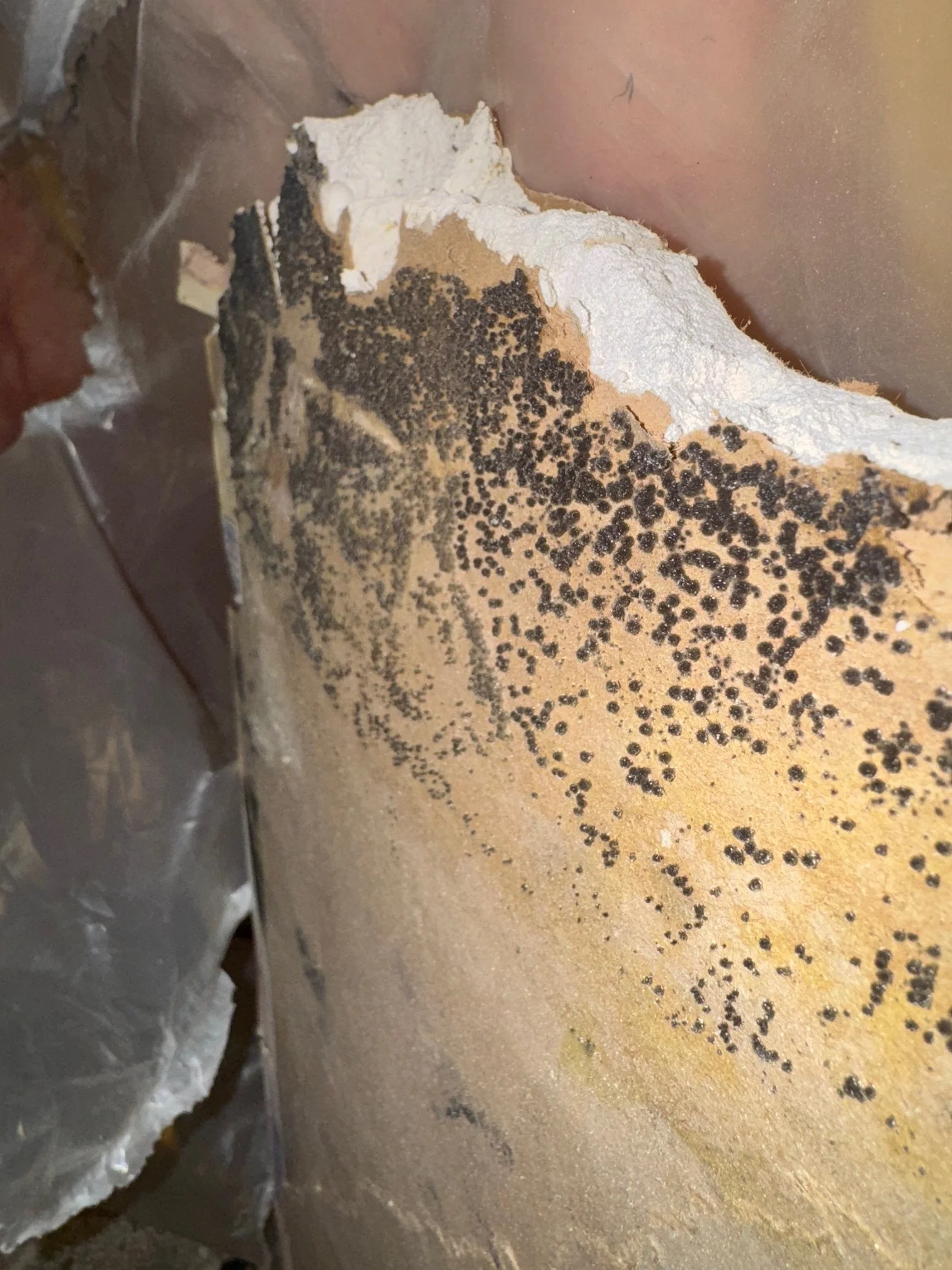
Removal of impacted drywall containing visible mold growth.
-
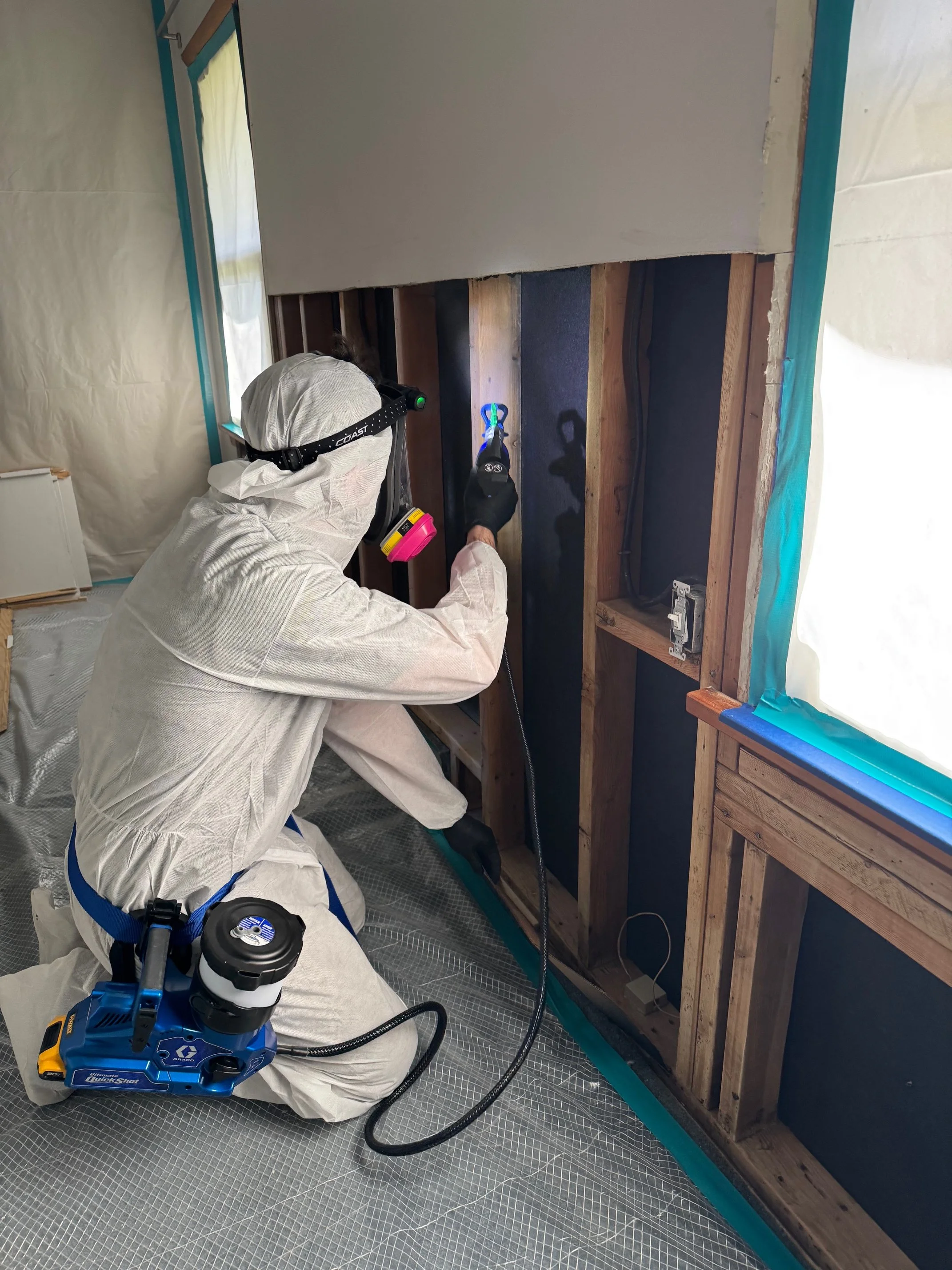
Encapsulation treatment applied to protect remediated surfaces from future microbial growth.