
Trauma Scene Cleanup
Servicing Northern Idaho and Spokane Area
24/7 Emergency Service
Why choose us?
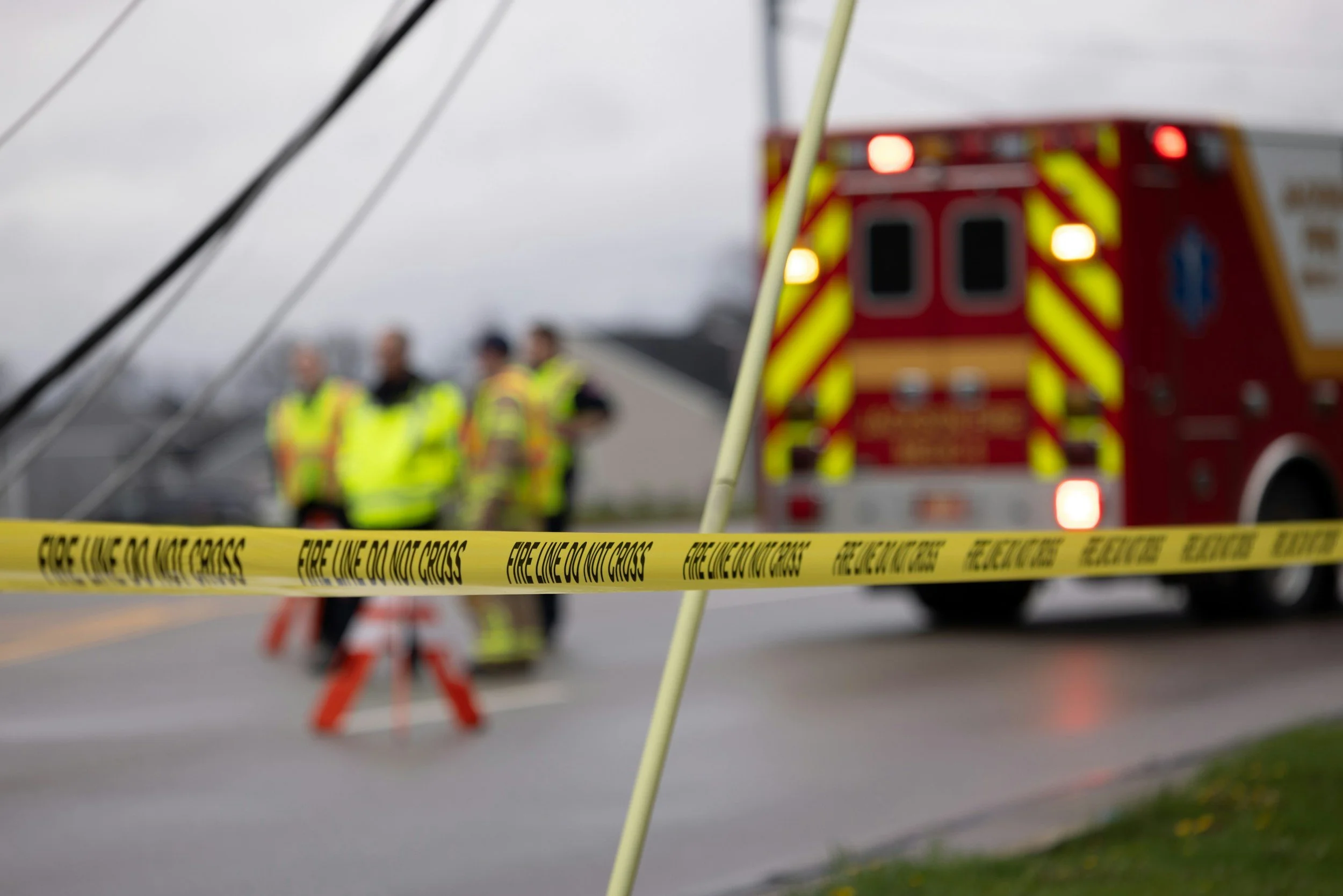
Abide Restorations provides professional and discreet trauma and biohazard cleanup services for residential and commercial properties throughout Northern Idaho and Eastern Washington. Our services include crime scene cleanup, unattended death cleanup, blood and bodily fluid remediation, decomposition cleanup, and odor removal.
We understand that traumatic incidents can be emotionally overwhelming. Our team approaches every situation with compassion, confidentiality, and professionalism, working to restore affected properties while respecting the privacy of those involved.
Our cleanup procedures follow the ANSI/IICRC S540 Standard for Trauma and Crime Scene Cleanup, emphasizing worker safety, contamination control, physical removal of biological materials, detailed cleaning, and appropriate disinfection. We utilize professional equipment, personal protective equipment (PPE), and established remediation procedures to help return affected areas to acceptable sanitary conditions.
As a locally owned, licensed, bonded, and insured restoration company serving Idaho and Washington, we work with homeowners, property managers, insurance professionals, and authorized parties following traumatic incidents. We provide detailed documentation, clear communication, and comprehensive restoration services, including structural repairs and reconstruction when necessary.
Our priority is to provide safe, thorough, and respectful cleanup services while helping property owners navigate difficult circumstances with confidence and peace of mind.
Frequently Asked Questions
What is trauma and biohazard cleanup?
Trauma and biohazard cleanup involves the professional removal of blood, bodily fluids, and other potentially infectious materials following traumatic incidents, unattended deaths, and similar events. The process may include removal of contaminated materials, detailed cleaning, disinfection, odor treatment, and restoration of affected areas.
Does homeowners insurance cover trauma scene cleanup?
Homeowners insurance may cover trauma and biohazard cleanup depending on the circumstances of the incident and the provisions of the insurance policy. Abide Restorations works with homeowners, insurance adjusters, and third-party administrators (TPAs), providing detailed estimates, photographic documentation, and supporting reports to assist with the claims process. Final coverage decisions are determined by the insurance carrier.
Is professional trauma scene cleanup necessary?
Professional cleanup is recommended when blood, bodily fluids, or other potentially infectious materials are present, particularly when contamination extends into porous or concealed building materials. Specialized protective equipment, contamination control procedures, physical removal methods, and appropriate disinfection help minimize exposure risks and prevent cross-contamination.
What types of situations require trauma scene cleanup?
Professional trauma and biohazard cleanup may be necessary following unattended deaths, suicides, homicides, accidents, workplace injuries, and other incidents involving blood or bodily fluid contamination. Each situation requires an assessment to determine the extent of contamination and appropriate remediation procedures.
Can trauma and biohazard cleanup remove decomposition odors?
Yes. Decomposition-related odors can penetrate porous materials, furnishings, and structural components. Effective odor remediation begins with identifying and removing the contamination source, followed by detailed cleaning and appropriate deodorization procedures. Additional structural remediation or material replacement may be necessary depending on the extent of contamination.
Who is responsible for cleaning up after a death or crime scene?
Law enforcement and emergency responders generally do not perform property cleanup following an investigation. Once the scene has been officially released by the appropriate authorities, the property owner, landlord, family, or authorized representative can arrange professional trauma and biohazard cleanup services.
How much does trauma scene cleanup cost?
The cost of trauma and biohazard cleanup depends on the extent of contamination, affected materials, size of the area, required cleaning procedures, and waste disposal requirements. Projects involving contaminated flooring, drywall, or structural materials may require additional remediation and reconstruction. Abide Restorations provides estimates based on the specific conditions of each project.
How long does trauma scene cleanup take?
The timeline depends on the extent of contamination, size of the affected area, materials involved, and remediation procedures required. Smaller projects may be completed within several hours, while extensive contamination involving structural materials or multiple rooms may require several days.
What happens during the trauma scene cleanup process?
Following an initial assessment, the cleanup process may include establishing contamination controls, removing affected materials, detailed cleaning, application of appropriate EPA-registered disinfectants, odor treatment, and proper handling and disposal of biohazardous waste. A final evaluation is performed to assess the completed remediation work.
Can you restore the property after trauma cleanup?
Yes. Abide Restorations provides reconstruction services following trauma and biohazard remediation. When necessary, our team can replace affected drywall, insulation, flooring, subflooring, and other building materials to help restore the property after cleanup has been completed.
Effects & Risks of Biological Contamination
Blood, bodily fluids, and other potentially infectious materials (OPIM) can present biological hazards when they contaminate building materials, furnishings, and indoor environments. Exposure to bloodborne pathogens, including hepatitis B, hepatitis C, and HIV, is a concern when appropriate precautions are not followed.
Biological contamination may extend beyond visible surfaces, penetrating porous materials such as carpet, padding, drywall, insulation, and subflooring. In cases involving decomposition, contamination can also create persistent odors and affect concealed structural areas.
Professional trauma and biohazard remediation involves identifying the extent of contamination, controlling potential exposure, removing affected materials when necessary, and implementing appropriate cleaning and disinfection procedures. Following recognized industry standards helps reduce contamination risks and restore affected areas to acceptable sanitary conditions.
Our Process
Initial Inspection & Hazard Assessment
Once the property has been released by the appropriate authorities, we assess the affected areas, identify potential biological hazards, evaluate contaminated materials, and develop a remediation plan based on the conditions of the property.Safety Precautions & Contamination Control
Appropriate personal protective equipment (PPE), containment procedures, and engineering controls are established as necessary to protect workers and minimize cross-contamination of unaffected areas.Removal of Contaminated Materials
Blood, bodily fluids, and other potentially infectious materials are physically removed. Contaminated porous materials that cannot be effectively restored are carefully removed and prepared for appropriate disposal.Detailed Cleaning & Disinfection
Affected structural surfaces and salvageable materials undergo detailed cleaning followed by application of appropriate EPA-registered disinfectants in accordance with product labeling and applicable procedures.Odor Treatment & Structural Remediation
When necessary, additional cleaning, targeted deodorization, and structural remediation procedures are performed to address contamination and persistent odors. Encapsulation may be considered for appropriate structural materials after cleaning and treatment.Final Inspection & Quality Control
Following remediation, our team performs a post-remediation evaluation to assess visible cleanliness, remaining odors, and completion of the established scope. Independent verification may be coordinated when required or appropriate.Reconstruction & Property Restoration
Once remediation is complete and applicable verification requirements have been satisfied, our team can coordinate necessary reconstruction, including replacement of damaged drywall, insulation, flooring, and other affected building materials.
-
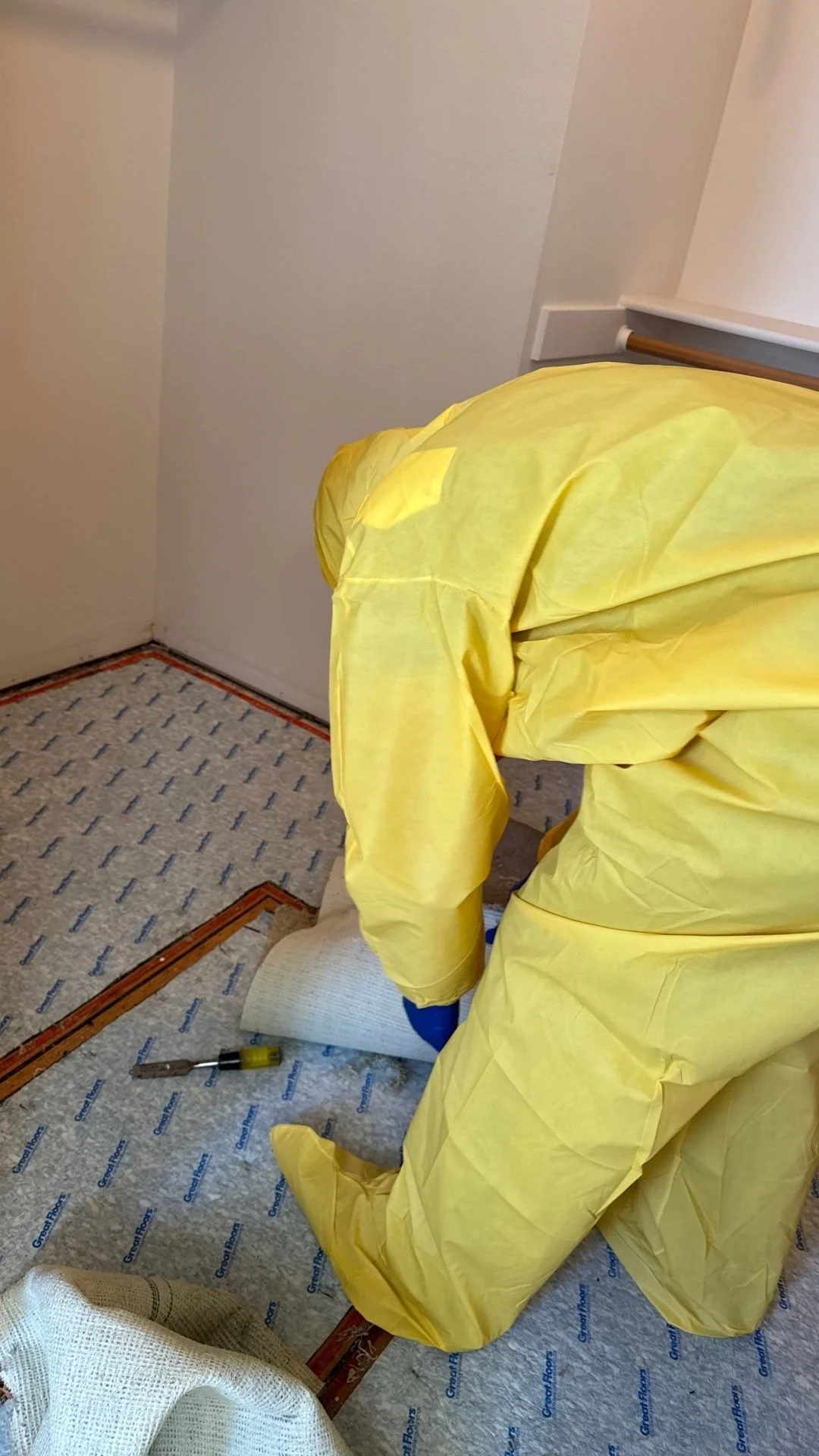
Abide Restorations technician wearing protective equipment while removing affected flooring materials during professional trauma and biohazard remediation.
-
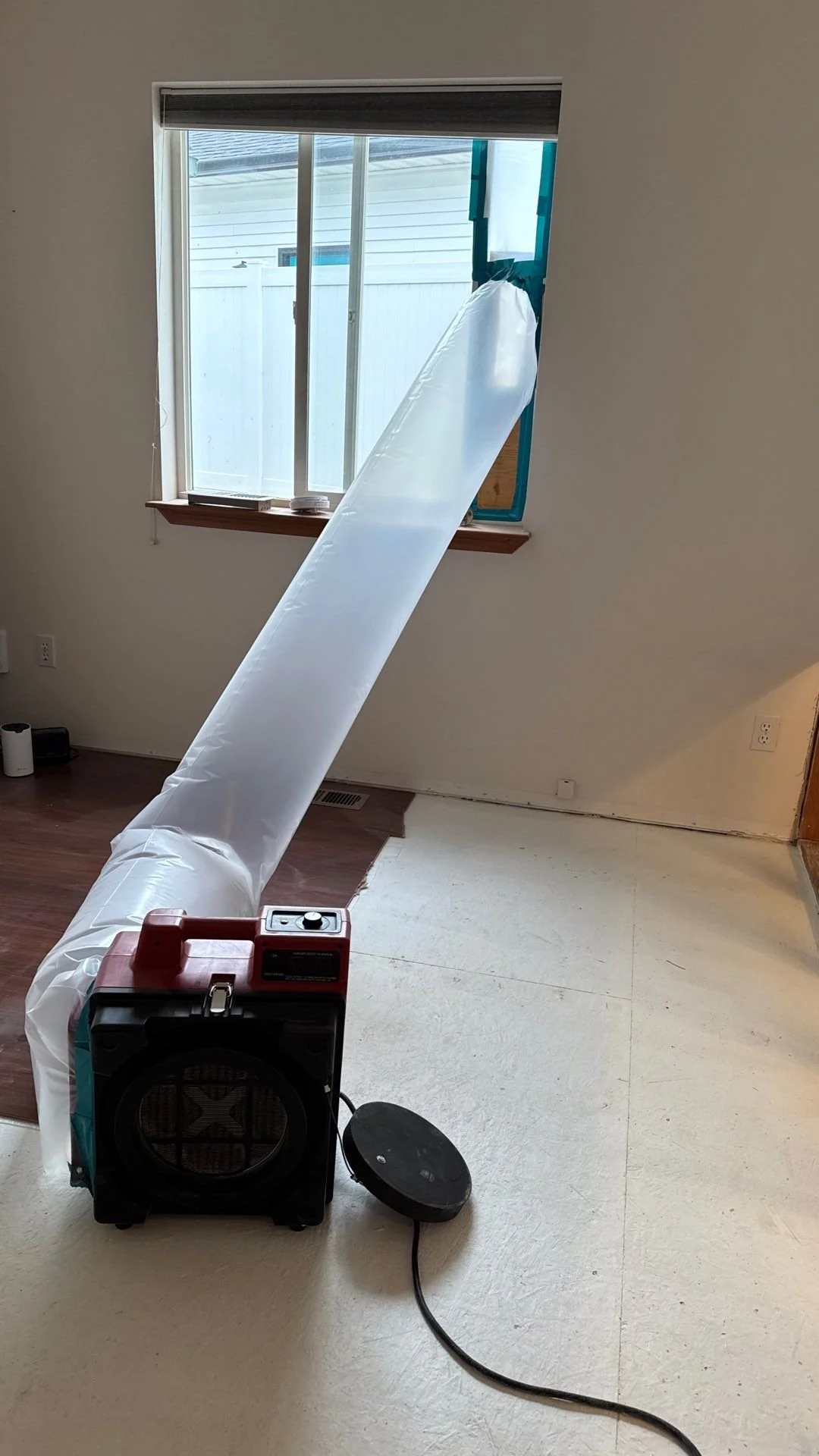
HEPA-filtered air filtration equipment with containment ducting installed to help control airborne particles and limit cross-contamination during biohazard cleanup.
-
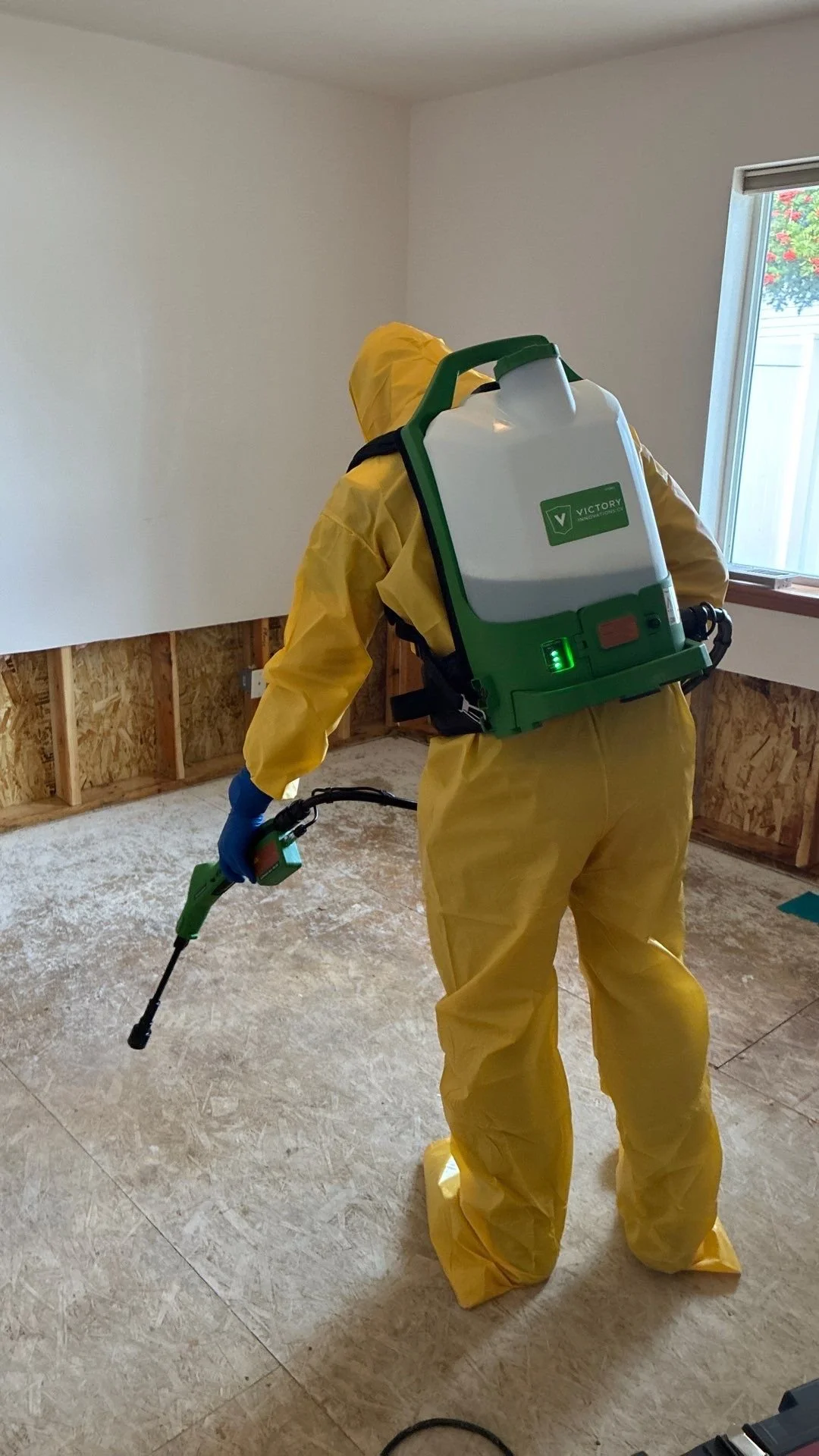
Abide Restorations technician wearing protective equipment and applying a cleaning treatment to exposed flooring during structural remediation and biohazard cleanup.